
Empire Energy Capital

Public record

Published government materials, not private program results.

This page uses U.S. Energy Information Administration, IRS, and SEC publications. It does not publish internal joint-venture statements, investor identities, or actual fund performance.

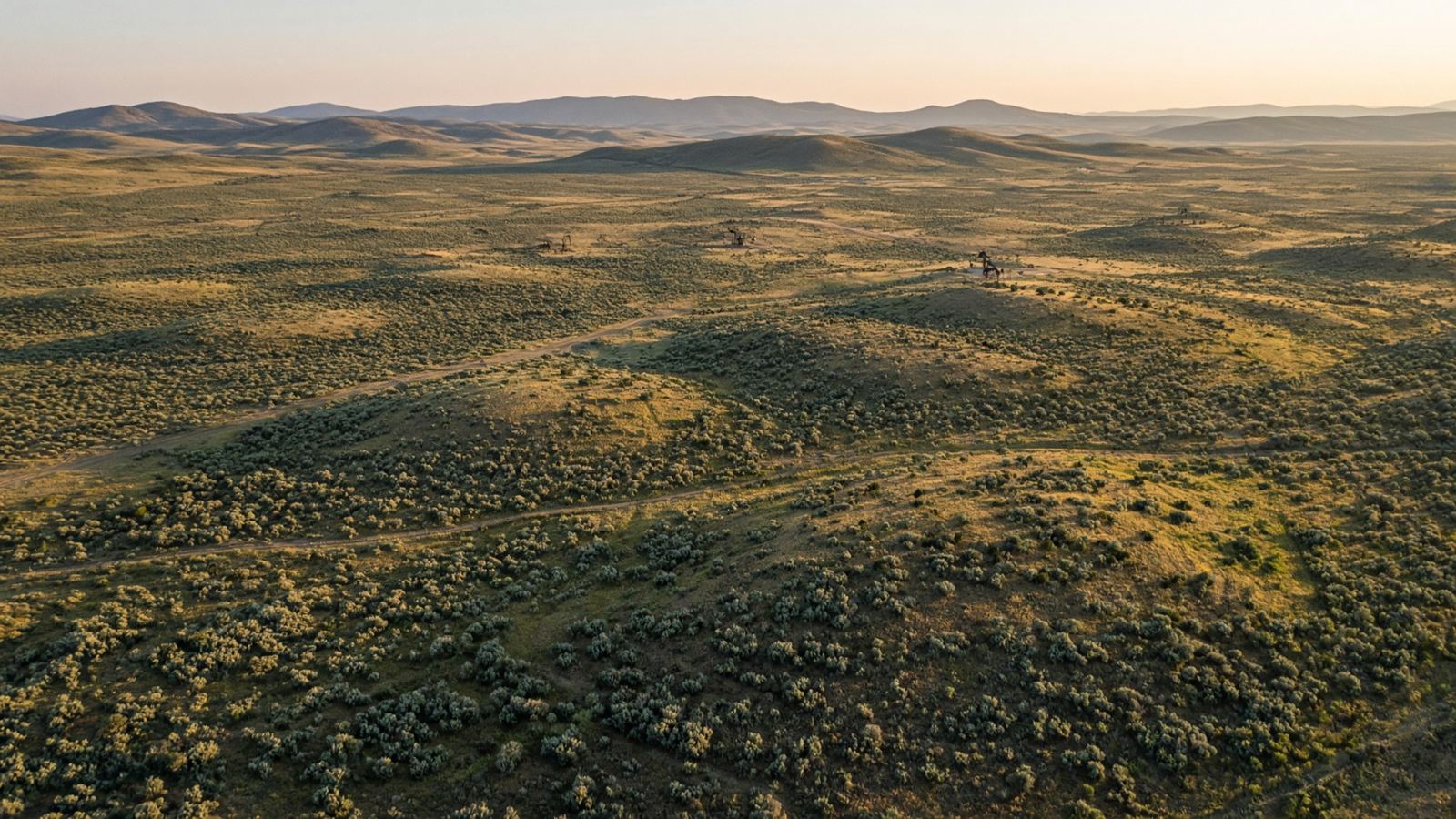
Producing oil field

Public record

What published government series show about U.S. wells.

This page uses U.S. Energy Information Administration publications. It does not publish internal joint-venture statements, operator names from private programs, or well-level cash from any private offering.

Dry holes in the historical series

EIA’s well-completion series for 1949–2010 recorded oil, gas, and dry outcomes and separated exploratory wells from development wells. Exploratory drilling carried the higher dry-hole rate. That record is context for why Congress allowed current deduction of intangible drilling costs. It is not a forecast for any current well.

Horizontal drilling in recent years

EIA reports that horizontally drilled wells rose from 10 percent of U.S. producing wells in 2014 to 22 percent in 2024. Industry-wide dry-hole risk is not zero. The statutory IDC election is unchanged; the typical well geometry is not what it was when the election was first allowed.

Statutes, IRS publications, and investor alerts

Sources compiled for this briefing, September 2026. IRS publications may describe a particular return year; consult current filing instructions for an actual transaction.

Examples · Tax treatment